

For six months, I lived with back pain that was sometimes severe. I was told that everyone has back pain, or that I should avoid lifting heavy things. At one stage, I was told I had spinal spurs. It was only when my legs stopped working that my symptoms were taken more seriously. Even then, I was discharged after being assessed as someone seeking medication. Within a week, my body began to shut down. I was readmitted to Royal Prince Alfred Hospital in Sydney, and within three days I was diagnosed with chordoma in my spine at L2. That was in 2003.
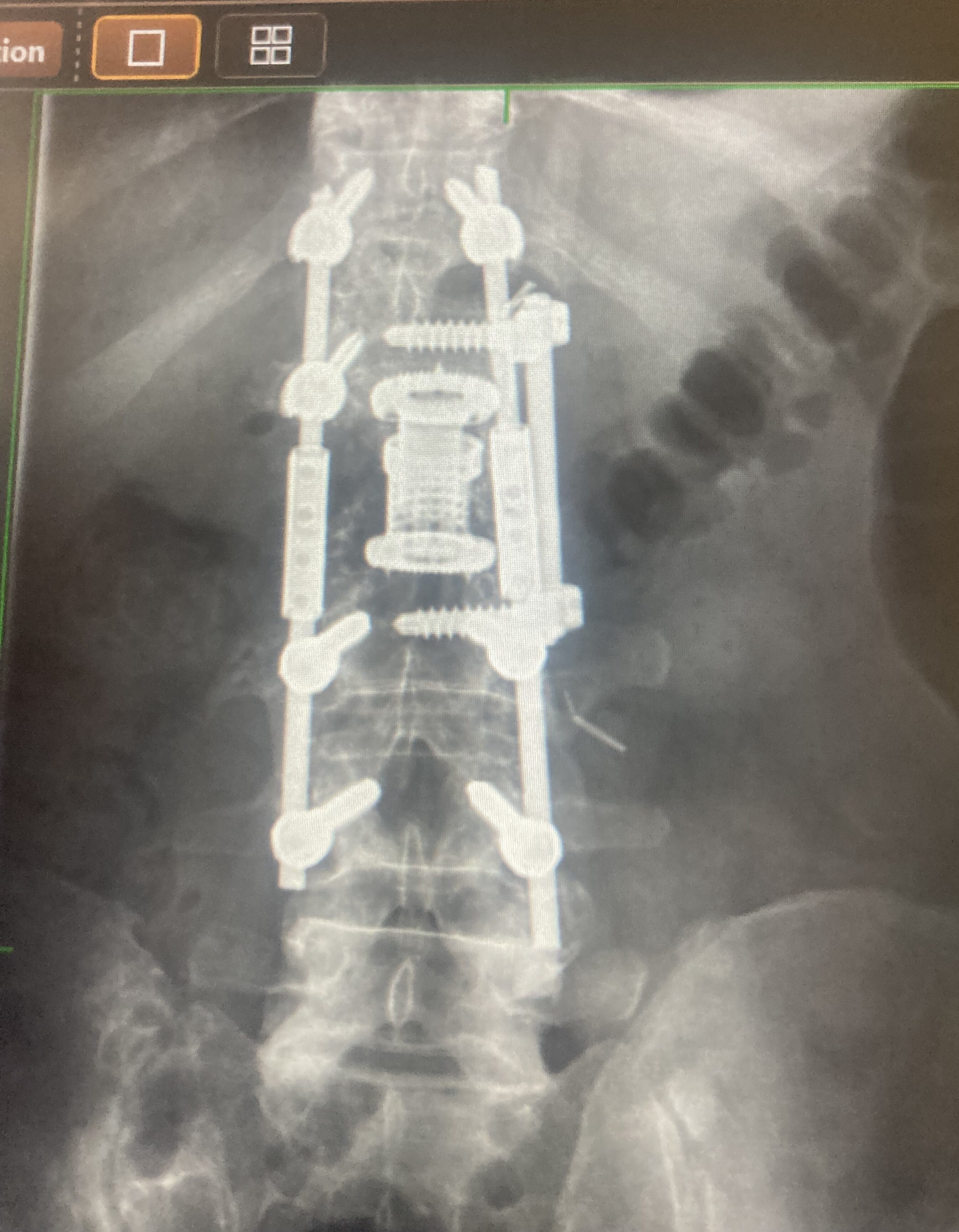
Once I had a diagnosis, I found the Australian medical system and my neurosurgeon to be first class. But getting to that point, and staying well since then, has been a long and difficult road. I had L2 removed, with a cage and metal fixation installed and a fusion from T12 to L4. Since then, chordoma has returned several times: in 2006, 2014, 2016, and again in later years, including metastases in my lungs, shoulder, right humerus, and spine. I have had multiple surgeries, stereotactic radiation, proton radiation in the United States, and ongoing treatment including chemotherapy and immunotherapy.
Travel for care has been hard, not only for me but for my family. Specialist treatment is usually in major centres, and travelling to the United States for proton radiation was a major undertaking. The financial impact has also been significant. Chordoma has made it difficult for me to hold down work, and I now receive the Disability Support Pension. That support is invaluable, but life without a proper income is still challenging. Emotionally, each recurrence affects not only me but the people around me, who have had to stay strong and support me through each new round of uncertainty.
Research matters because patients and doctors need better answers. I have participated in two medical oncology trials because I want doctors to learn more about this cancer and how to treat future patients. I feel lucky to have made it this far, and I hope I can keep winning this challenge. But luck should not be the plan. We need more research, better treatment options, and a stronger understanding of chordoma so that future patients have a clearer path forward.