

My diagnosis came after I suddenly stopped being able to walk. I spent 18 hours in an emergency department before I was finally seen. I was told I was drinking too much and should go home. After I left, I collapsed getting out of a taxi, and my family took me back to hospital. Again, I was told I was okay. Then I collapsed on the hospital floor. Only after that was I sent for tests and rushed to another hospital, where I was told I might not survive surgery - and that, if I did, I might never walk again. I was wheeled away for emergency surgery without having the chance to properly see my family.
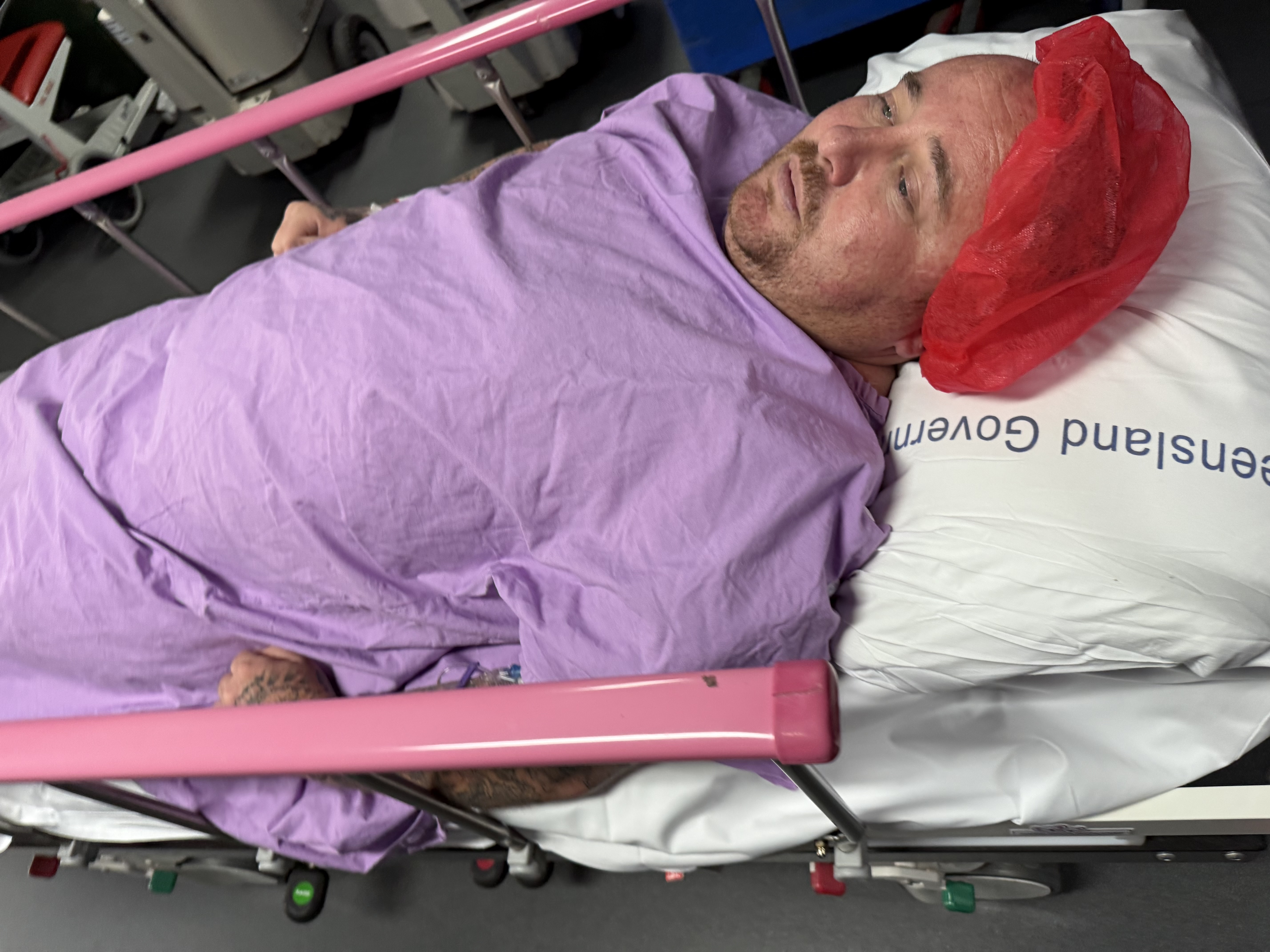
The surgery saved my life, but the experience left me with many questions. I do not understand how the cancer had not been seen or found earlier, including on previous scans. Since diagnosis, my family and I have had to search for information ourselves because there is so little known about chordoma. We have often felt that we were trying to educate ourselves while also trying to cope with fear and uncertainty.
Accessing care has also been difficult. I have needed to travel for appointments, and at times I relied on rideshare transport because I could not drive after having major spinal surgery. It is hard to wait a long time for an appointment and then have only a very short conversation, especially when you are desperate for direct answers about your future. I have sometimes felt that there was not enough care, attention, or understanding of what I was facing.
Chordoma has changed my life completely. I have stopped working. I can only do short drives, and at times my feet, eyes, and hands feel strange. My family and I are scared, and I feel as though I am stuck in a holding pattern, waiting to find out what happens next. There is an overwhelming sense of loss - loss of health, body, mind, and the person I was. I want research to give patients better outcomes, clearer treatment plans, and answers about how this cancer may affect their bodies and futures.