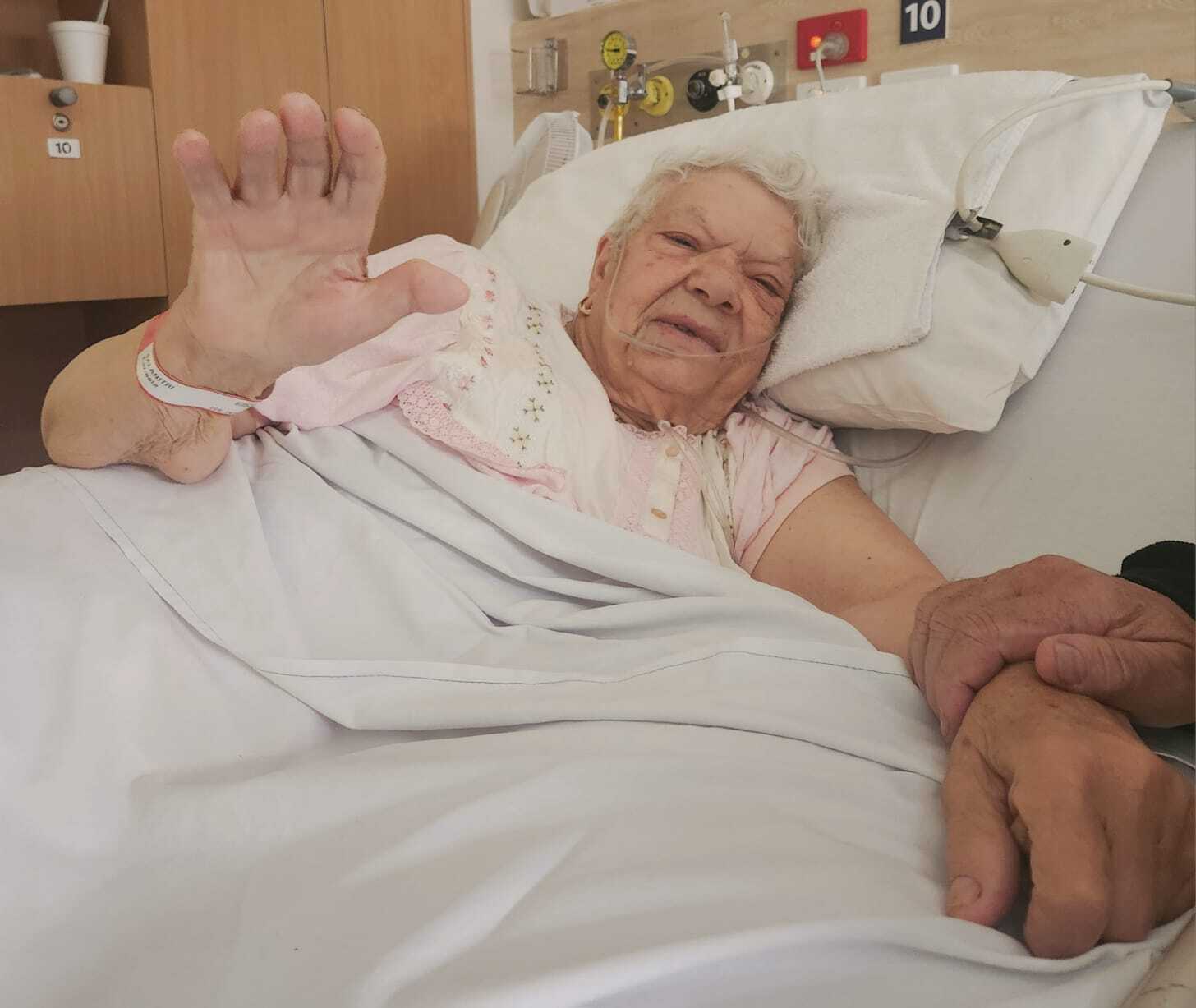

My mum had a long history of pain and chronic constipation, which doctors attributed to fibromyalgia. We were repeatedly told there was nothing more that could be done. In 2025, she developed a urinary tract infection that simply would not improve. I had recently experienced something similar myself, which turned out to be kidney stones, so Mum pushed for a CT scan. The results showed “a large destructive mass in the sacral region.” The tumour had crushed her tailbone.
Because of Mum’s age, she was 90 years old, her treatment options were very limited. She was offered five sessions of radiation and pain management with opioids, but the medication only made her constipation worse. We were fortunate that her treatment could be done close to home, but managing her symptoms and trying to maintain any quality of life became incredibly difficult.
As her caregiver, it was heartbreaking to watch. There were many trips to hospital for bowel impaction, which led to increasingly aggressive laxative treatments. Seeing Mum forced to take these medications constantly, while knowing they still were not working well enough to give her comfort or dignity, was traumatic for both of us. It often felt like there were no real options available to help her live with some quality of life.
Research needs to be a priority for both young and old patients. Even among doctors, chordoma is not well known, and I often found myself describing it simply as a sarcoma so people would understand. Rare diseases like chordoma deserve dedicated funding and research so patients do not have to suffer with limited treatment options, or leave Australia to access care.
The Chordoma Foundation does a wonderful job advocating for patients and helping families navigate this little-known disease, but more support is needed. Regardless of age or gender, patients deserve government-funded research and better treatment pathways, just like any other cancer patient. Doctors also need clearer protocols for recognising symptoms earlier and managing the complex symptoms that come with chordoma. Chordoma patients and families need understanding, support, and meaningful investment in research.