

During Year 12, I was dealing with constant headaches and fatigue, but I assumed it was simply the stress of studying. I had just been accepted into the Sydney Conservatorium and was preparing to move interstate when I finally decided to have my long-overdue deviated septum repaired. During the scans before what was meant to be routine surgery, doctors found what they suspected was a chordoma. Instead of preparing for a straightforward procedure, I was suddenly being told I had a rare skull base tumour. About a week later, I began losing vision in my right eye, and everything moved very quickly from there.
Because chordoma is so rare, finding the right specialists and treatment was not straightforward. After surgery, proton beam therapy was recommended, but it was not available in Australia. Knowing that the best treatment existed but could not be accessed in my own country added enormous stress and uncertainty to an already overwhelming situation.
I travelled to Jacksonville, Florida, for proton beam therapy during COVID in 2021. At just 17 years old, it meant spending months away from home, my friends, and everything familiar. It was an incredibly isolating experience, and while I am so grateful I was able to receive the treatment, I wish Australian families did not have to leave the country to access the care they need.
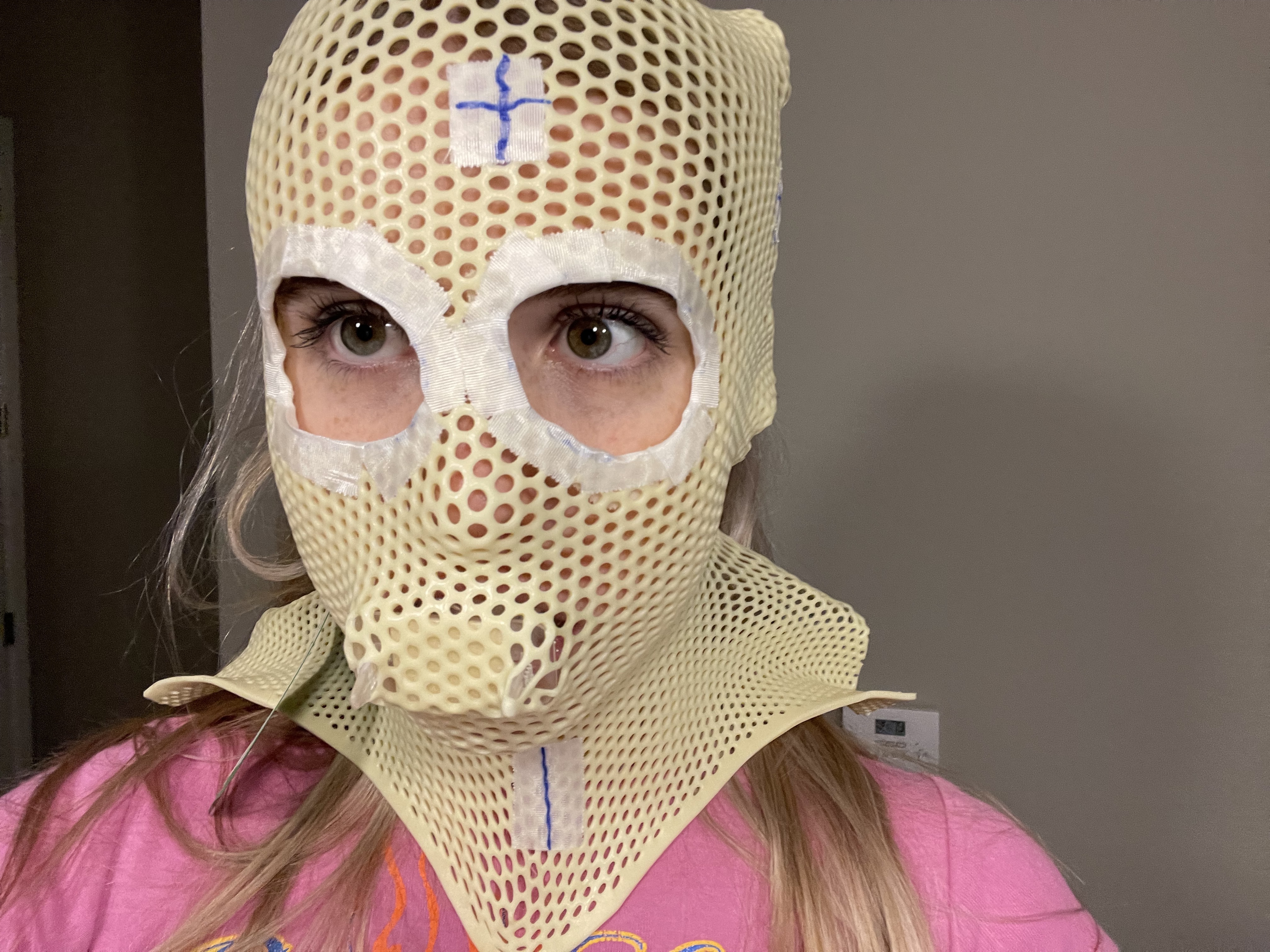
Being diagnosed at 17 changed my life overnight. The uncertainty that comes with living with a rare cancer continues to affect both me and my family. Although I am incredibly grateful to be here, cancer did not end when my treatment finished. The long-term effects—including adrenal insufficiency, lifelong hormone replacement, chronic fatigue, and ongoing sinus and ear problems—continue to shape my daily life. They have affected my ability to study, work, and plan for the future in ways I never could have imagined.
At first, I thought that once surgery and treatment were over, life would gradually return to normal. Instead, I learned that surviving cancer and living after cancer are two very different things.
Despite everything, I have tried not to let chordoma define me. Music has become a way for me to process what I have been through and has given me purpose during some of my hardest moments. I have also found tremendous support within the chordoma community, and I want to use my experience to advocate for better access to treatment and more research so that future Australians diagnosed with chordoma have an easier path than I did.
Research gives people with rare cancers hope. Without it, there are fewer treatment options, fewer answers, and far more uncertainty. People with chordoma deserve the same access to world-class care as anyone else. No one should have to travel overseas for the treatment they need, especially at one of the most difficult times in their life. Investing in research and improving access to treatments such as proton beam therapy has the potential to change the lives of future patients and their families.
Living with chordoma does not end when treatment finishes. It is something I carry with me every day. But it has also taught me resilience, gratitude, and the importance of finding hope even in the most difficult circumstances. If sharing my story helps raise awareness or makes the journey a little easier for even one other family, then it is worth sharing.